
Overview
Australian student-athletes joining NAIA colleges in the United States must meet specific insurance requirements before they can train, compete, or be cleared for participation. This page provides general information only to help families understand how NAIA insurance rules work, what colleges typically expect, and how U.S. healthcare differs from Australia.
Important: Requirements vary between colleges, conferences, and athletic departments. This is not personal advice.
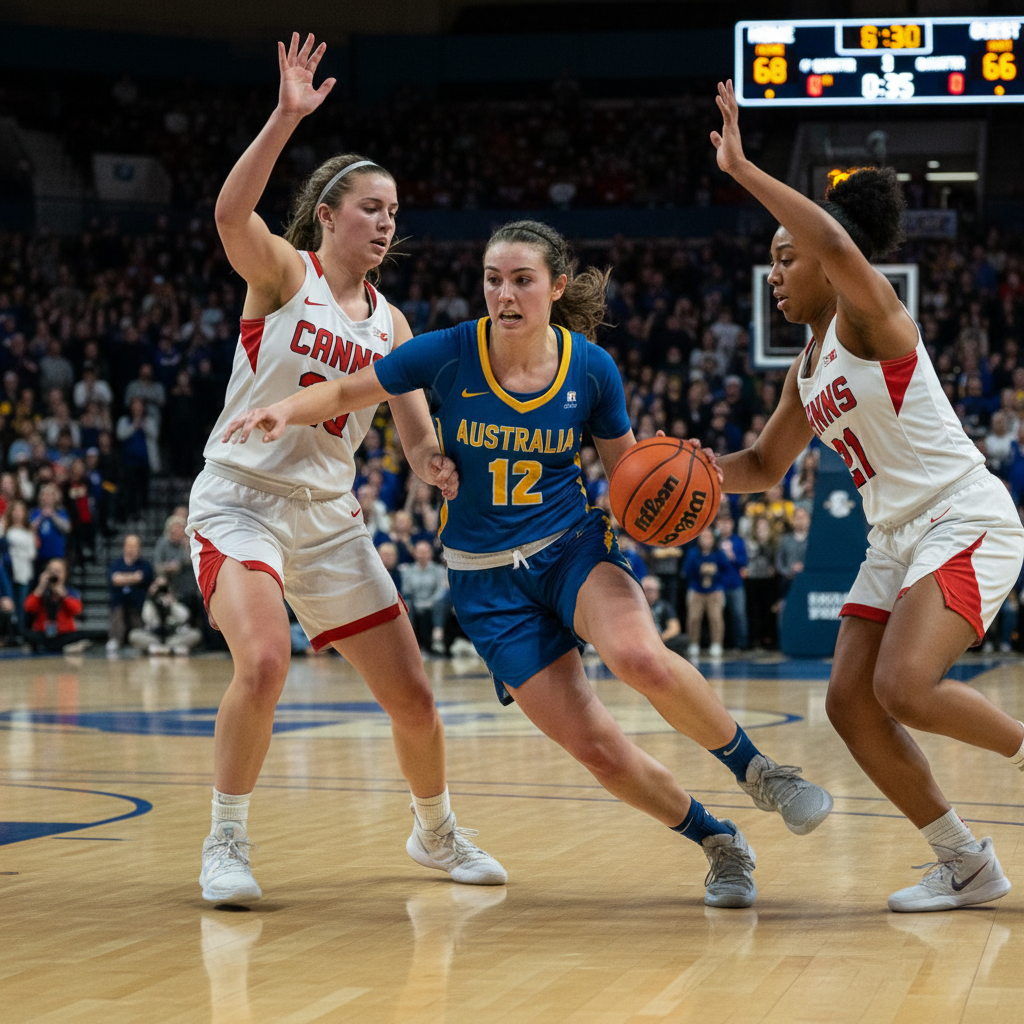
NAIA Policy
What the NAIA Requires
The NAIA requires all student-athletes to have active medical insurance that covers injuries sustained during official training, practice, and competition.
Insurance must be valid in the United States
Coverage must include athletic-related injuries
Colleges must verify insurance before participation
Athletes must maintain coverage throughout the academic year
The NAIA does not provide insurance directly. Each college sets its own minimum standards based on NAIA guidelines.
Expectations
Typical Coverage Expectations
While requirements vary, many NAIA colleges expect insurance that includes:
Overseas Medical Treatment
Hospitalisation & Surgery
Diagnostic Imaging (X-ray, MRI, CT)
Specialist Treatment
Rehabilitation & Physiotherapy
Sports-Related Injury Coverage
Minimum limits (vary by institution): Some colleges specify minimum coverage amounts, such as USD $50,000–$100,000 per injury, with no exclusion for intercollegiate sports, and coverage valid for the entire academic year. These figures differ between institutions.
Exclusions
Common Exclusions to Understand
Australian families may find that U.S. insurance policies include exclusions such as:
Pre-existing medical conditions
Non-emergency treatment
Mental health services
Dental and vision care
Injuries outside official training or competition
High-risk or non-college sporting activities
Always refer to the specific policy wording provided by the college or insurer.
Compliance
Proof of Insurance Requirements
Before an athlete can be cleared to participate, NAIA colleges typically require:
A certificate of insurance
Policy wording showing sports coverage
Confirmation of U.S. validity
Coverage limits and effective dates
Emergency contact information
Some colleges require documentation before arrival in the United States.
Outcome
If Coverage Does Not Meet NAIA Standards
If an athlete's insurance does not meet the college's requirements, the college may:
Require the athlete to purchase a college-approved plan
Request additional documentation
Delay athletic clearance
Prevent participation until coverage is confirmed
This is a common scenario for international athletes.
Comparison
How U.S. Healthcare Differs from Australia
Australian families should be aware that:
No Universal Healthcare System
The U.S. does not have a universal healthcare system for all citizens and residents.
Significantly Higher Medical Costs
Medical costs can be significantly higher than in Australia, even for routine care.
Expensive Emergency Care
Emergency care, hospital stays, and imaging can be expensive — far more than Australians expect.
Insurance Is Essential
Insurance is essential for managing unexpected medical bills, which can otherwise be substantial.
Understanding these differences helps families prepare before departure.
NAIA Program
NAIA Catastrophic Injury Insurance Program
Underwritten by Mutual of Omaha · Policy SB21CCMO · Administered by Academic HealthPlans – Sports Division · 2026–2027
The NAIA holds a Catastrophic Insurance Policy (underwritten by Mutual of Omaha) that covers all NAIA student-athletes, including junior varsity and reserve student-athletes. Participation in this program is a mandatory requirement of NAIA membership — every member school pays premiums on behalf of its athletes.
This is a last-resort, excess-over-all-other-insurance program. It is designed to kick in only after all other available insurance has been exhausted and covered accident expenses exceed the policy deductible. It is not a substitute for comprehensive personal medical and travel insurance.
Key Policy Facts (2026–27)
- • Aggregate limit of liability: $5,000,000 per accident
- • Covered accident deductible: $35,000 (ICS) / $25,000 (Club/Intramural)
- • Deductible establishment period: 24 months
- • Maximum medical benefit period: Lifetime
- • Policy excess nature: Excess over all other valid insurance
Medical Expenses
Up to $5,000,000 lifetime — 100% of eligible expenses once the $35,000 deductible is satisfied. Covers hospitalisation, surgery, ICU, rehab, and more.
Physical Therapy
Up to $50,000 per calendar year for outpatient physical therapy, including heat treatment, ultrasonic, massage therapy, and acupuncture.
Prosthetic Devices
$100,000 in the first 2 years after accident, then $100,000 per 10-year period ($200,000 if above-knee amputation). Lifetime max $500,000–$750,000.
Total Disability Benefit
$1,500/month for life (increasing 4% after year 1). Triggers when an athlete cannot perform at least 3 Activities of Daily Living as a result of the accident.
Partial Disability Benefit
$1,000/month for life (increasing 4% after year 1). Triggers when an athlete cannot perform at least 1 Activity of Daily Living.
College Education Benefit
Up to $120,000 lifetime — covers tuition, room and board, required books, lab fees, and mandatory activity fees for a totally disabled athlete pursuing an undergraduate degree.
Accidental Death & Dismemberment
$15,000 principal sum — covers loss of life, limbs, sight, speech, or hearing resulting from a covered accident (365-day loss establishment period).
Special Expense Benefit
$125,000 in the first 10 years post-accident, then $50,000 per 10-year period. Covers specialised wheelchairs, vehicle modifications, and housing adaptations.
Adjustment Expense Benefit
Covers family travel costs ($2,000/member), family training for caregiving ($2,500), and 75% of lost earnings up to $500/week for 13 weeks (max $50,000 lifetime).
What Events Are Covered
Regularly scheduled intercollegiate games and competition
Official practice sessions and conditioning activities
School-authorised and school-paid team travel (directly to/from covered events)
Guest recruits during school-sponsored or supervised activities
Competitive cheer/dance under a safety-certified coach
Critical Gaps — What the NAIA Catastrophic Plan Does NOT Cover
The $35,000 deductible
You must fund or insure this entirely yourself before NAIA coverage activates.
Non-catastrophic everyday injuries
Routine sports injuries, sprains, fractures, and illnesses that don't exceed the deductible are not covered.
Illness and sickness
Explicitly excluded — the policy covers accidents only, not bacterial/viral infections or pre-existing conditions.
Emergency medical evacuation
No repatriation or emergency transport home to Australia is included.
Travel disruption & cancellation
No coverage for flight cancellations, delays, or lost luggage.
Activities outside the USA
Injuries sustained outside the United States are excluded unless part of an authorised school-paid activity.
Personal liability
No personal liability coverage is provided under this plan.
Mental health (limited)
Mental/nervous disorder cover is capped at $50/visit, 50 visits/year — not adequate for comprehensive mental health support.
Official NAIA Documents
The following documents are publicly available from the NAIA and outline the full terms of the Catastrophic Insurance Program. Read these alongside any personal policy you are considering.
NAIA Catastrophic Accident Guide
Full Accident Guide (Feb 2025) — eligibility, covered events, and claims process.
View PDFNAIA-AHP Sports CAT Info Sheet
Academic HealthPlans info sheet for the 2026–27 NAIA Catastrophic coverage.
View PDF2026–2027 NAIA Catastrophic Plan of Insurance
The official master policy of insurance (Mutual of Omaha, SB21CCMO).
View PDFHow USA College Cover Partner Insurers Fill the Gaps
Our partner insurers — including CoverMore, Europ Assistance, nib Travel - offer comprehensive Student-Athlete Medical & Travel Cover that is specifically designed to work alongside (and in many cases, fund the deductible for) the NAIA Catastrophic Plan, which also includes own personal leisure medical injury cover.
Funds the $35,000 CAT deductible
Primary unlimited overseas medical cover means everyday and serious sports injuries are covered from dollar one — your expenses satisfy the CAT deductible automatically.
Everyday sports injuries
Covers non-catastrophic sports injuries such as fractures, ligament tears, concussions, and sprains that would otherwise be entirely out-of-pocket.
Emergency medical evacuation
Unlimited emergency medical evacuation and repatriation back to Australia is included — a critical benefit not in the NAIA CAT plan.
Travel benefits
Covers trip cancellation, flight delays, lost luggage, and travel disruptions for the entire policy period.
Unlimited medical limits
No sub-limit on individual medical events. Uncapped overseas medical cover beyond what the NAIA CAT plan provides.
Cover during semester breaks
Protection continues through mid-year breaks, holiday travel, and time spent outside the training or competition calendar.
General Advice Only. The above is general information about typical product features. Coverage details, limits, and conditions vary between our partner insurers and individual plans. Refer to the relevant Product Disclosure Statement (PDS) for full terms, conditions, and exclusions before purchasing.
Key Points for Australian Families
NAIA athletes must have valid U.S. medical insurance
Coverage must include sports-related injuries
Requirements vary between colleges
Documentation is usually required before participation
U.S. healthcare costs are significantly higher than in Australia
This page provides general information only
⚠️ This page provides general information only and does not constitute financial, legal or insurance advice. Insurance eligibility, coverage limits and exclusions vary between providers and plans. Requirements vary between NAIA colleges and athletic departments. Always refer to the specific documentation provided by your college. Our Insurance Waiver Request Letter and Compliance Summary request a waiver only and do not guarantee that a waiver will be granted; colleges may still require you to hold their own Student Health Insurance Plan (SHIP) or meet additional, localised requirements at their own discretion.
General Information Warning: This page provides general information only and does not take into account your personal circumstances. Insurance requirements vary between NAIA colleges and athletic departments. Always refer to the specific documentation provided by your college.